Battery Management and Energy Optimization in Mop Robots
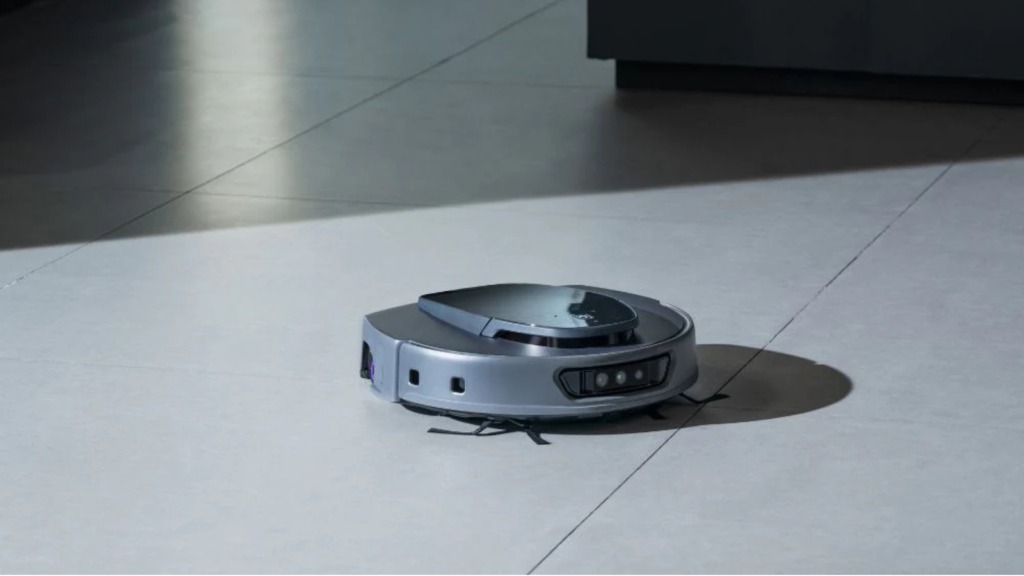
In recent years, mop robots have become indispensable tools for many households. They save time, reduce physical effort, and keep floors clean with minimal human intervention. However, what truly makes these robots efficient is the role of battery management and energy optimization. Proper battery management and energy-saving technologies directly impact the performance, battery life, and overall user experience of mop robot like the 3i g10 +, a cutting-edge robotic cleaner known for its advanced energy systems.
The Importance of Battery Management in Mop Robots
Battery management is crucial for ensuring that a cleaning robot can clean efficiently without running out of power too soon. The battery powers the robot’s movement, cleaning system, and sensors. Proper management allows the cleaning robot to function at its best by controlling how the battery charges, discharges, and conserves energy. In robots like the 3i g10+, the battery management system (BMS) ensures that the battery lasts longer and performs efficiently. The BMS controls how much power the cleaning robot uses and protects the battery from overcharging or deep discharging, which can reduce its lifespan.
Mop robots typically use lithium-ion (Li-ion) batteries, known for their long life and high energy density. These batteries are perfect for mop robots because they offer a balance between long runtime and lightweight design. For instance, the 3i g10 + uses a high-quality Li-ion battery that maximizes cleaning time, allowing the robot to clean large areas without needing to recharge.
Energy Optimization in Mop Robots
Energy optimization is essential in making mop robots more efficient. By optimizing energy use, robots can clean larger areas with less power, which not only saves energy but also extends battery life. This is especially important for models like the 3i g10 +, which are designed to clean efficiently and last longer on a single charge.
One of the key energy optimization strategies in mop robots is smart charging technology. Many modern robots, including the 3i g10 +, are equipped with sensors that automatically detect when the battery is low. When this happens, the robot will return to its charging station, recharge itself, and resume cleaning once the battery is sufficiently charged. This prevents unnecessary energy drain and ensures that the robot is always ready for its next cleaning session.
Another aspect of energy optimization is how the robot uses power during cleaning. Advanced models like the 3i g10 + are programmed to adjust their power consumption based on the type of floor they are cleaning. For example, the robot will use more power and water to clean tile or stone floors, while it will reduce power consumption on wood floors or carpets. This adaptability helps maximize cleaning efficiency while conserving battery life.
How Battery Management Enhances Mop Robot Longevity
Proper battery management doesn’t just improve performance—it also extends the life of the robot itself. Preventing overcharging and deep discharging is vital for preserving battery health. The 3i g10+ is designed with a sophisticated BMS that ensures the battery is neither overcharged nor allowed to discharge too deeply, which can both shorten battery life.
In addition, the robot’s BMS continuously monitors the battery’s health, tracking factors such as voltage, temperature, and charge cycles. This ensures the robot is always operating at optimal efficiency. Battery health monitoring allows the 3i g10 + to detect any potential issues early, so it can adjust its charging and usage patterns accordingly.
Future Trends in Battery Management and Energy Optimization
Looking forward, the future of battery management and energy optimization in mop robots seems promising. The development of next-generation battery technologies, such as solid-state batteries, could offer even longer battery life and faster charging times. These advancements would allow mop robots to clean larger areas with even less energy consumption.
Artificial intelligence (AI) and machine learning will also play a significant role in optimizing energy usage. As robots learn from their cleaning patterns, they can adapt to their environment and further reduce energy waste. Additionally, sustainable energy solutions, such as solar charging stations for mop robots, could provide an eco-friendly alternative for recharging.